There were interviews from survivors, including hospital nurses and doctors, firefighters and other first responders, schoolchildren in Pripyat, bewildered local officials who didn’t know what to do. There were photos of many who didn’t survive, as well as horrific footage of radiation burns on the bodies of victims. One documentary relied heavily on this book:
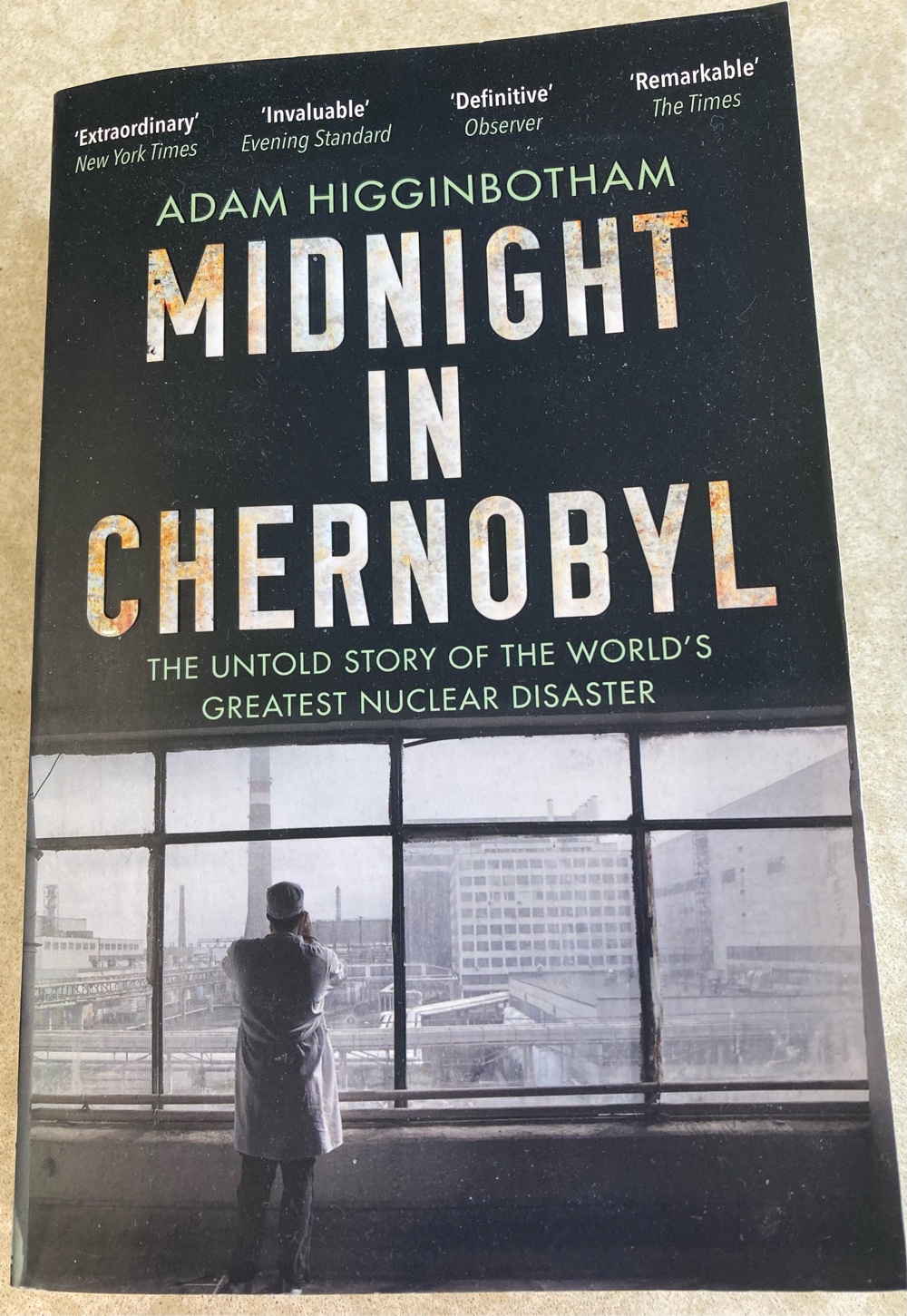 |
I actually bought this book in 2020. I had been sitting next to someone on a plane who was reading it on the flight. As soon as I got home to Perth, I went out to buy it. The book is detailed and dense, representing years of research.
In 1986, at the time of Chernobyl, I was working at Vienna International School. I’ve been trying to remember how it affected us. I know that our students were not allowed outdoors at lunchtime. I also daren’t pick the herbs growing on our balcony. Apart from that, I remember very little. I suppose we were lucky in that the radioactive dust was blown north-west of Austria, eventually being identified in Scandinavia and even being known as “acid rain” falling in the Welsh mountains.
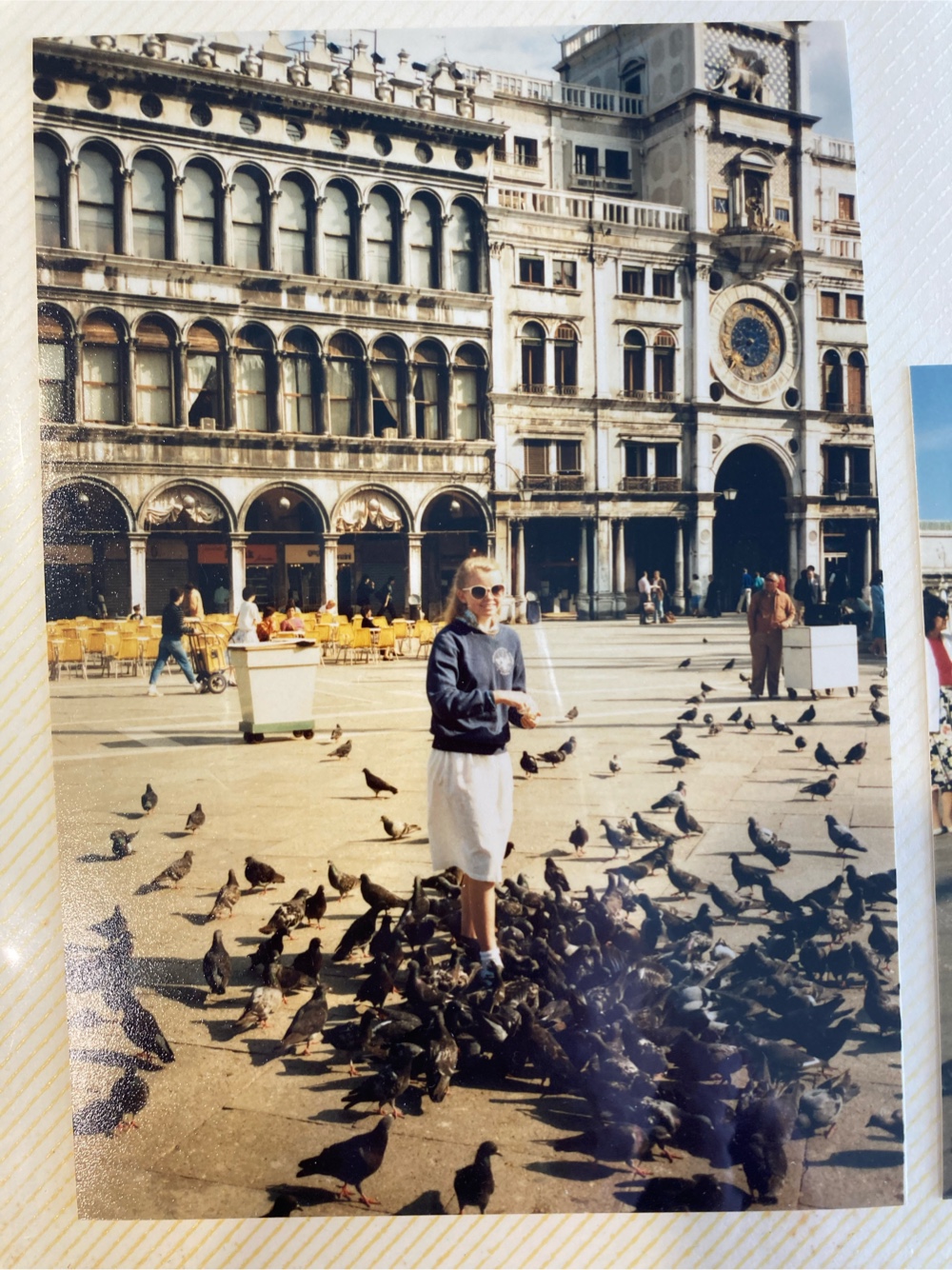
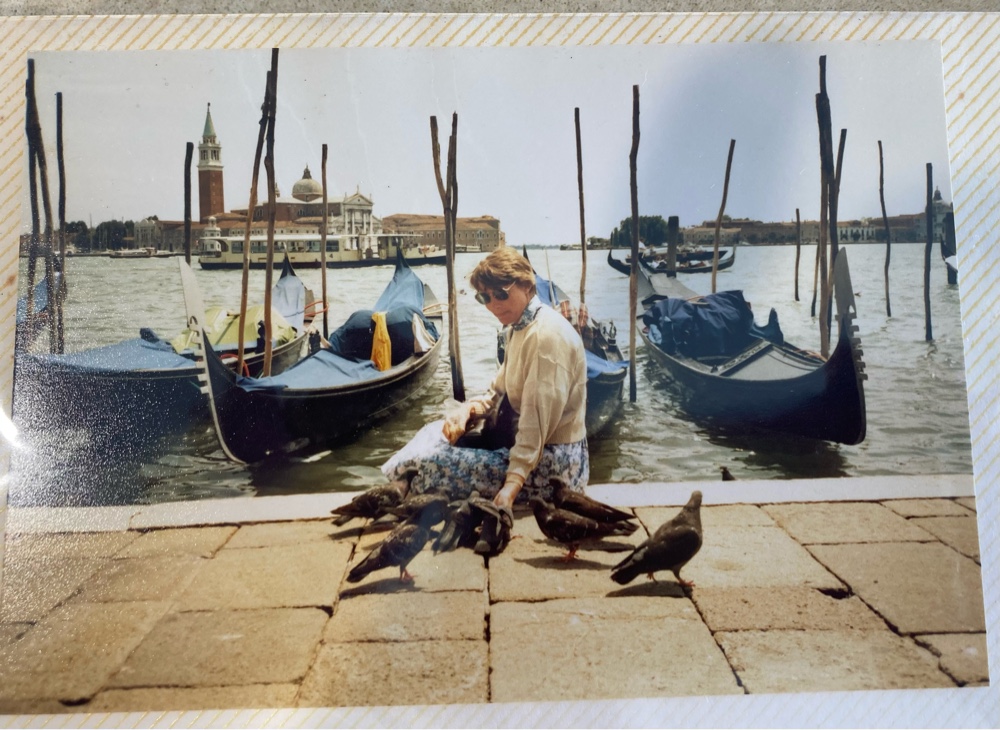
In order to see what we were doing at the time, I’ve been looking through my photo albums. A few months after the disaster, in June 1986, C and I were on holiday in Venice. This is us feeding the pigeons:
 |
 |
Much later, I was reminded of the repercussions of the nuclear fall-out. JL had a Polish cleaning lady at his house in Quinns Rocks. Her son married a girl who was a recent Polish immigrant. Soon, they had a child. Tragically, it was a hydrocephalus baby.

No comments:
Post a Comment